
Memory NYC : When Did Fashion Start Feeling Personal Again?
After years of dressing through trends, algorithms and perfectly named aesthetics, some of fashion’s most interesting new labels are starting somewhere much smaller: the things we already know, remember and love.
BRANDDIP SPECIAL · FASHION GETS PERSONAL AGAIN
PART 01 · MEMORY NYC
WORDS BY BRANDDIP · NEW YORK / SEOUL
For a while, getting dressed started to feel strangely organized.
There was always a name for what you were wearing: quiet luxury, balletcore, coquette, office siren, clean girl.
A new aesthetic appeared, the internet learned its rules, and suddenly thousands of wardrobes began speaking the same visual language.
It made finding inspiration easier than ever. It also made personal taste feel surprisingly similar.
Now something else seems to be happening.
Not a rejection of fashion. Not another return to vintage. Something quieter.
A return to clothes that feel less like an aesthetic you discovered online—and more like something that could have already belonged to you.
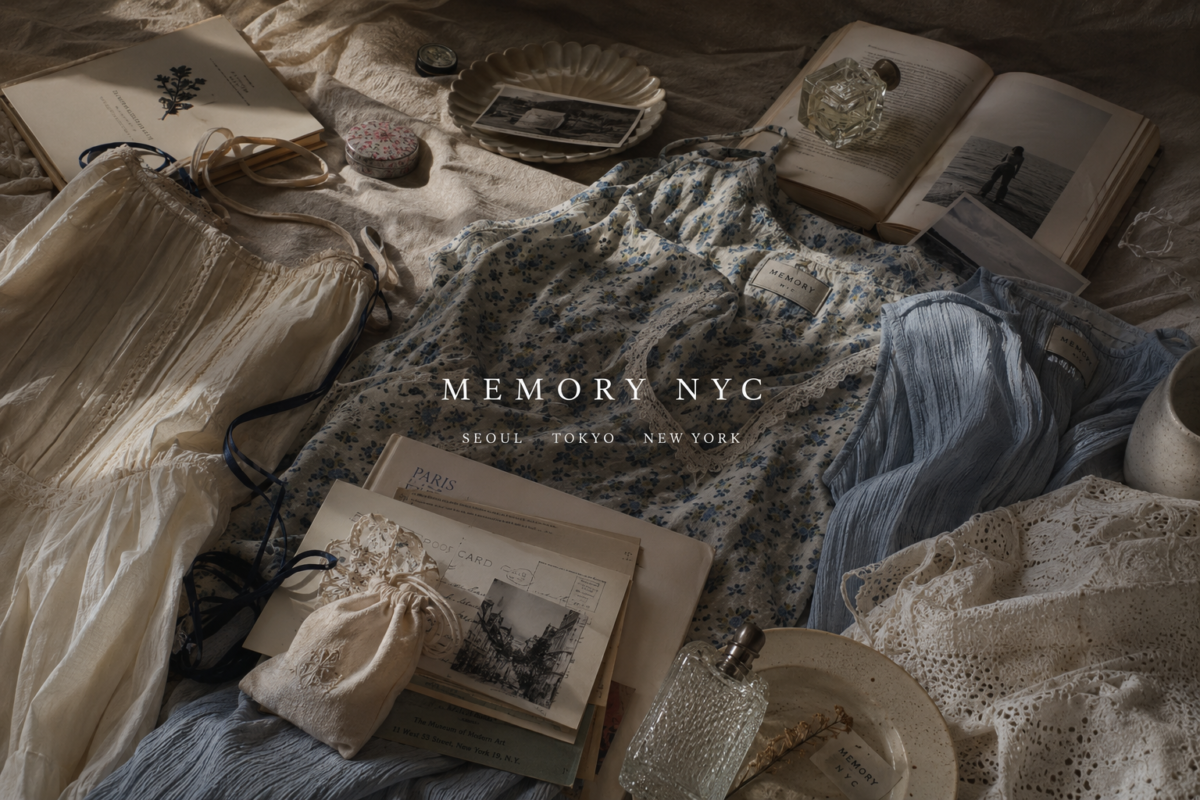
One of the newest brands capturing that feeling is called Memory NYC.
The name tells you almost everything.
It Started With Something Worth Keeping
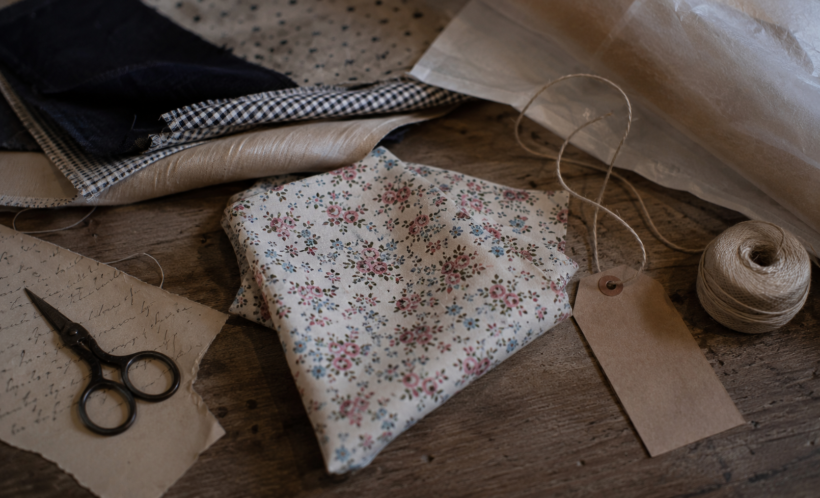
Memory began with a piece of fabric found in Tokyo.
Its founder, Korean American creative director Suea, brought the fabric home and eventually turned it into a skirt.
A small decision, but also a familiar one.
Anyone who has ever brought home a piece of fabric, an old postcard, a strange cup or something else they couldn’t quite explain wanting understands the instinct.
You don’t always know what an object will become.
You just know you don’t want to leave it behind.
The skirt eventually became part of something larger. In 2026, Memory NYC emerged as a womenswear label connecting Seoul, Tokyo and New York.
But what’s interesting isn’t simply where it came from.
It’s what the clothes seem to resist.
They don’t look designed to announce a new identity. They look like they want to become part of one you already have.
We Used to Find Our Style Differently
Before personal style became searchable, it was messy.
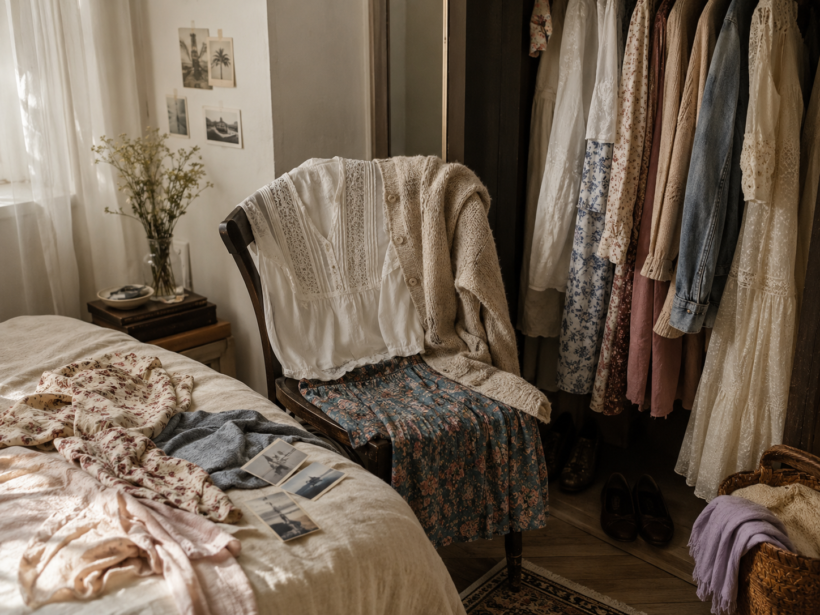
You borrowed things. You inherited things. You found something strange while traveling. You copied someone older than you.
You wore the wrong shoes with the right skirt and somehow liked it.
Your wardrobe accumulated rather than arrived.
Today, inspiration works differently.
We can search for an aesthetic and receive an entire identity in seconds: the clothes, the apartment, the coffee, the playlist—even the places someone with that aesthetic is supposedly meant to visit.
It’s incredibly efficient.
Maybe too efficient.
Because when taste becomes something that can be instantly reproduced, the imperfections that once made it personal begin to disappear.
Memory feels interesting in that context.
Its clothes don’t seem to offer a complete character to become. They offer fragments: a soft blouse, a tiny floral, a simple pair of shorts, a skirt that feels slightly familiar without telling you exactly why.
Pieces that leave enough room for your own life to enter.
Not a new aesthetic.
Something to make your own.
Three Cities, Without Becoming Any One of Them
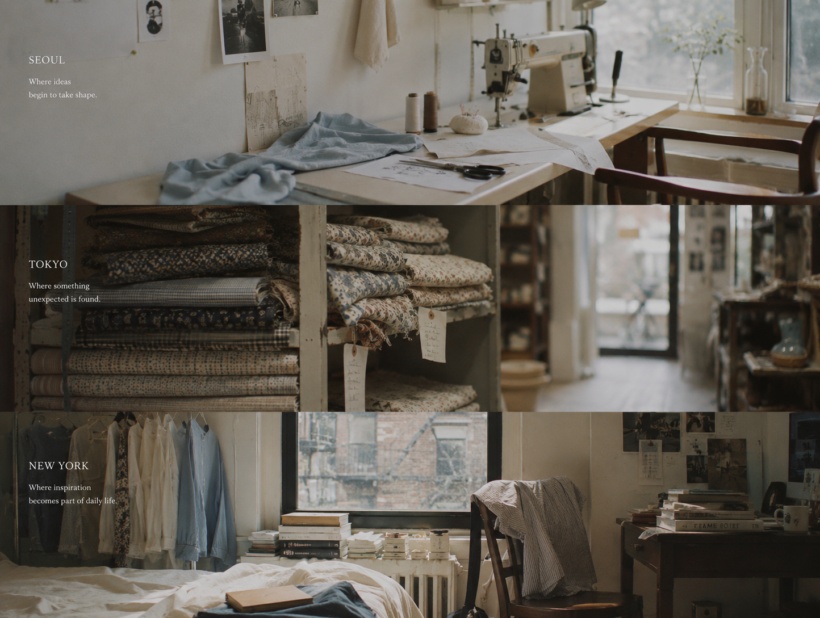
Memory moves between Seoul, Tokyo and New York.
The clothes are handmade in Seoul. Tokyo is tied to the object that started the brand. New York is part of the world in which Memory now lives.
But the interesting part isn’t creating a neat combination of three cities.
It’s that the brand doesn’t need to become any one of them.
You can see different sensibilities overlapping without being reduced to a formula.
That matters at a moment when global fashion can sometimes feel strangely locationless.
The same references travel instantly. The same products appear in different cities. The same aesthetics fill different feeds.
Memory works in the opposite direction.
It collects.
A material from here.
A reference from somewhere else.
A memory from another time.
Then it puts them together without completely smoothing out the edges.
Perhaps personal taste has always worked that way.
The Clothes Aren’t the Whole Story
Look closely and Memory’s world extends beyond a conventional collection.
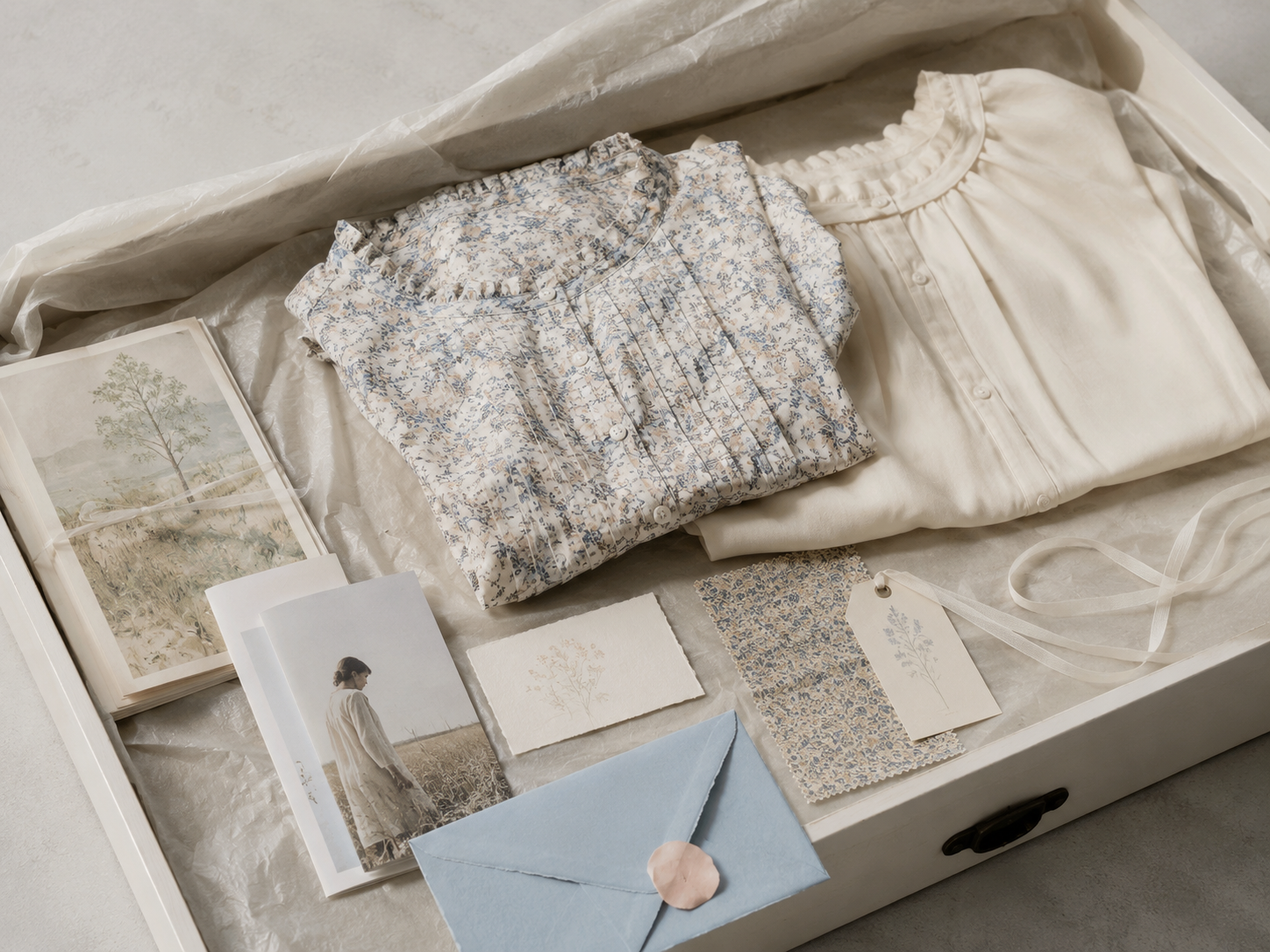
There are objects, packaging, print and small details that feel almost as considered as the garments themselves.
That makes sense.
Because memories rarely organize themselves by category.
A dress can remind you of a room. A book can remind you of a person. A smell can return you to a city you haven’t visited in years.
Objects become connected simply because they happened to exist in the same part of your life.
Memory seems to understand that a fashion brand can work the same way.
The goal isn’t necessarily to build one perfect look.
It’s to build a world people want to keep pieces of.
Why This Feels Right Now
The internet isn’t running out of aesthetics.
If anything, we’re getting better at producing them.
Give a visual idea a name and, almost immediately, it can become a moodboard, a shopping list, a hashtag and eventually a uniform.
But the faster that cycle becomes, the less valuable simply knowing what’s cool begins to feel.
Everyone can know. Everyone can search. Everyone can save the same reference.
So the interesting question is changing.
Not: What do you like?
But: Why do you like it?
That’s much harder to copy.
And it’s where brands like Memory become interesting.
The value isn’t in providing another perfectly packaged identity. It’s in making something specific enough that people can form their own relationship with it.
A piece may remind one person of childhood. Someone else of Seoul. Someone else of an old photograph. Someone else of absolutely nothing—until they wear it somewhere worth remembering.
That’s when the object becomes personal.
Maybe Personal Style Was Never About Being Original
We often talk about personal style as though it requires inventing something nobody has seen before.
It probably doesn’t.
Most of what we love comes from somewhere: someone we knew, somewhere we visited, something our parents wore, a movie, a stranger on the street, a photograph we saved years ago and forgot about.
Personal style happens in what we choose to keep from all of it.
Memory NYC feels timely because it doesn’t pretend clothes arrive without a past.
It allows references to remain references. Memories to remain memories. And the person wearing them to finish the story.
Maybe that’s what fashion has been missing while trying so hard to tell us who to become next.
Not another identity.
A little more room to recognize ourselves.
NEXT IN BRANDDIP SPECIAL
PART 02 · SINÉAD O’DWYER
Why Is Seeing a Normal Body on a Runway Still Radical?
Memory brings fashion back to something deeply personal: your taste.
But the moment fashion starts talking seriously about individuality, another question becomes impossible to avoid.
What happens when the clothes feel personal—but the body they’re designed for still isn’t yours?
In Part Two, BRANDDIP moves from what fashion allows us to like to something much more fundamental:
Who fashion allows to wear it.
WORDS · BRANDDIP
SPECIAL · FASHION GETS PERSONAL AGAIN
PART 01 · MEMORY NYC
NEW YORK / SEOUL